
USU Professor Tom Higbee Awarded Prestigious 2026 Fellowship from Association for Behavior Analysis International

Tom Higbee works with a child in the ASSERT program.
Tom Higbee, Ph.D., department head of Special Education and Rehabilitation Counseling, has been named as a Fellow by the Association for Behavior Analysis International (ABAI). The recognition highlights Higbee’s contributions to the behavior analysis field over the course of his 25-year career in special education.
The ABAI Fellow Program dates back to 2004 and highlights the most outstanding contributors to behavior analysis in one or more of the following areas: research and scholarship, professional practice, and teaching and service. Fellows must be full members of ABAI, which now has more than thousands of members worldwide. Higbee joins other ABAI Fellows at USU who are professors of psychology: Greg Madden, Ph.D., Amy Odum, Ph.D., and Tim Shahan, Ph.D.
“I feel honored to be recognized as an ABAI Fellow,” Higbee shared. “To me, receiving this designation means that my peers appreciate the contributions my students and I have made to the field of behavior analysis over the course of my career. As much as anything, I view this recognition as a direct reflection of the excellent work done by the students I have had the privilege of mentoring over the years.”
Higbee founded the Autism Support Services: Education, Research, and Training (ASSERT) program at USU in 2003 and has served as its executive director since its inception. The primary goal of ASSERT is to improve the lives of children who are on the autism spectrum and their families through its three-fold mission of education, research, and training. Over the past 23 years, ASSERT has supported over 150 families of children on the autism spectrum.
“Every individual on the autism spectrum is unique,” Higbee said. “I enjoy learning about their personal strengths and challenges so we can design an individualized program of support. I’m continually inspired by the children as well as their parents and caregivers. It’s a privilege to be a part of these families’ journeys.”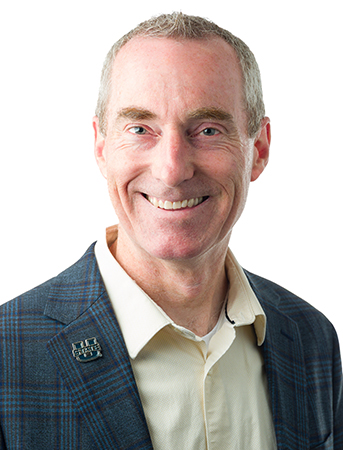
Higbee feels that one of the features of ASSERT that makes the program unique is the direct involvement of USU graduate and undergraduate students in conducting research with and providing support to the children and families in the program.
This “hands-on” training provides USU students with invaluable experience that they can use to support families of children on the autism spectrum when they begin their careers as special educators, clinicians, or researchers. The ASSERT program has provided training to over 50 graduate students, 500 undergraduates, and hundreds of education professionals around the world.
Higbee recognizes the many people who have shaped his career, beginning with his mother, who was a special educator. He also credits the lasting influence of his mentors, students, and colleagues, whose support and collaboration have guided his work over the years.
“All of these people have shaped the person I am today,” Higbee shared. “Everything I have accomplished in my career has been with the help and support of my students and colleagues, as well as my amazing wife and family. I hope to continue building on that impact by working to ensure that individuals with disabilities have the same opportunities as everyone else.”