
Behavioral Neuroscience Undergraduate Program
Questions You Will Explore
How does the brain produce thought, emotion, and behavior?

How do genetics, biology, and experience shape who we become?

How can scientific research improve human health and well-being?
What causes neurological and psychological disorders?
How do scientists study the brain and nervous system?
Understanding Behavior Through Biology
Behavioral Neuroscience focuses on the biological systems that guide behavior. Students examine how neural circuits, genetics, physiology, sensation, perception, cognition, and the environment interact to influence how we think, learn, and behave. The curriculum draws on psychology, biology, chemistry, mathematics, physics, and related sciences, providing students with a broad scientific foundation while maintaining a clear focus on the relationship between the brain and behavior. Along the way, students develop skills in scientific reasoning, data analysis, laboratory methods, experimental design, and the communication of scientific findings.
Research and Discovery
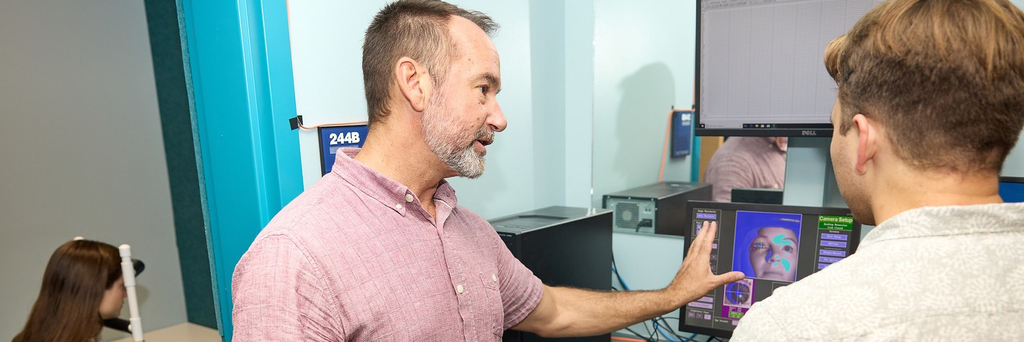
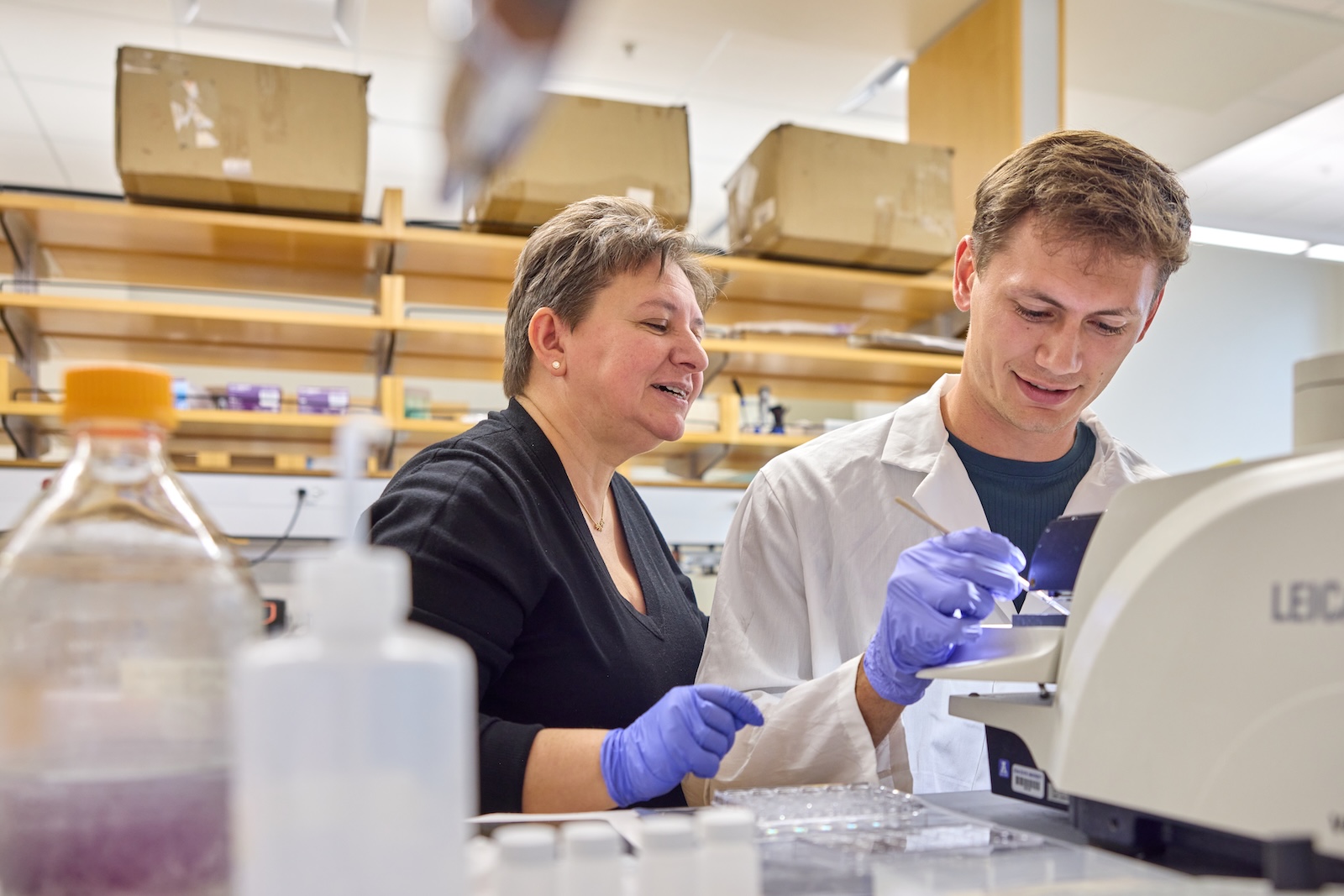
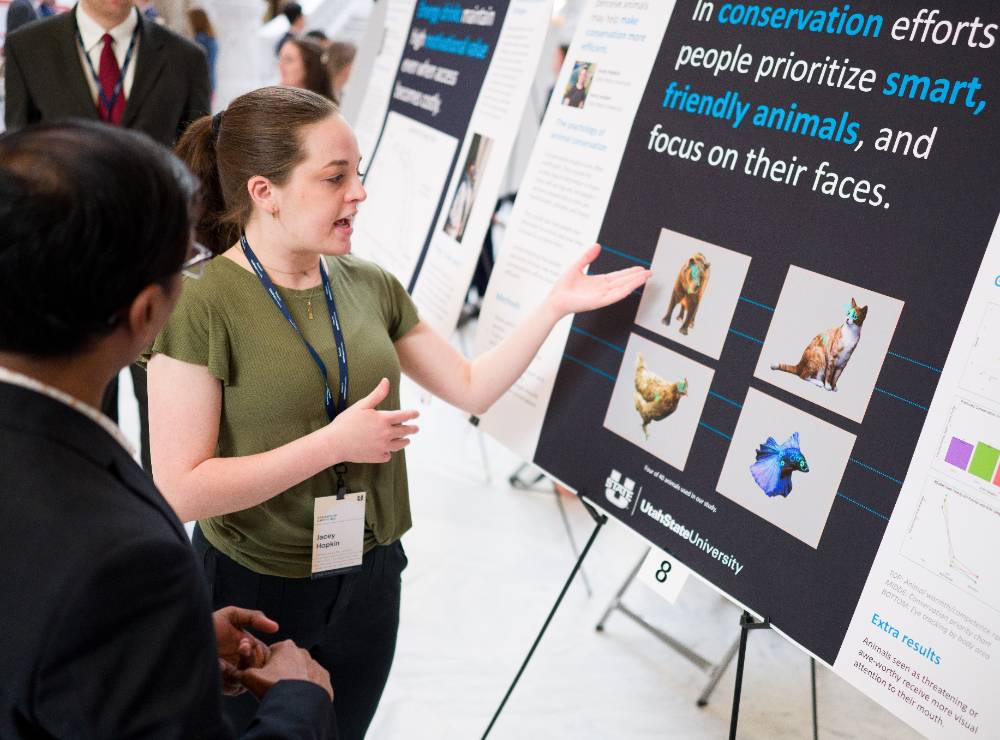
Research is a defining feature of Behavioral Neuroscience at Utah State. Integrated throughout the curriculum, research provides opportunities for students to work alongside faculty and graduate students investigating topics such as cognition, learning, mental health and psychological disorders, neurodevelopment, psychopharmacology, genetics, and behavior. These experiences help students develop the critical thinking, laboratory, and analytical skills essential for success in graduate school, professional programs, and research-intensive careers. Students who become involved in faculty research can also contribute to the discovery of new knowledge while building relationships with faculty mentors.
_______________________________
Learn More
> Undergraduate Research Opportunities
Preparing for Graduate and Professional Study
Behavioral Neuroscience provides excellent preparation for students interested in medicine, healthcare, biotechnology, and advanced scientific training. The curriculum includes much of the coursework commonly expected for medical school and other health-profession pathways, while allowing students to tailor elective coursework to meet the admission requirements of their intended programs. Students interested in medical school or other specialized health professions can work with advisors to select elective coursework that complements the major and aligns with the requirements of their intended postgraduate programs.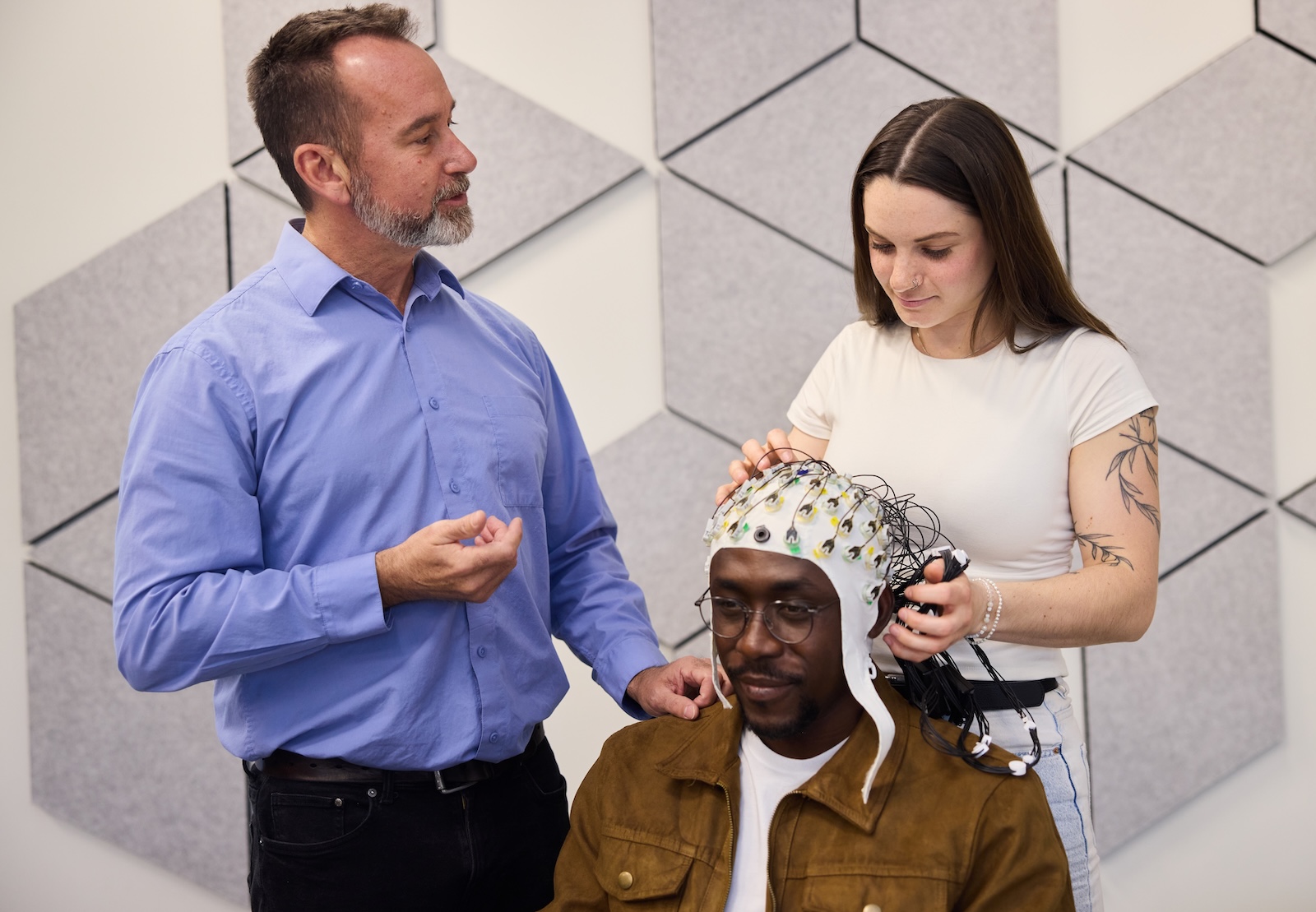
Careers in Behavioral Neuroscience
The Behavioral Neuroscience major is designed to prepare students for a wide range of educational and professional pathways. Graduates can pursue careers in medicine, neuroscience, mental health, biotechnology, public health, biomedical research, artificial intelligence, and related fields, while many continue their education through medical school or graduate study. A Behavioral Neuroscience degree develops scientific reasoning, laboratory techniques, data analysis, and problem-solving skills that are valued across a wide range of industries.
Career opportunities with a bachelor’s degree in Behavioral Neuroscience:
Research Assistants

Public Health Specialist

Laboratory Technician

Biotechnology Professional
Career opportunities requiring advanced education or training:

Physician

Psychologist
Neuroscientist
Biomedical Researcher
Psychology or Behavioral Neuroscience?
Both majors provide excellent preparation for graduate study and meaningful careers. Both explore human behavior, but from different perspectives.
_______________________________
Learn More
> Psychology Major (BS/BA)

Psychology focuses broadly on behavior, cognition, development, mental health, learning, and social processes. It offers flexibility for students interested in a wide range of careers and graduate programs, including those preparing for careers in mental health.
Behavioral Neuroscience focuses on the biological foundations of behavior and includes substantially more coursework in biology, chemistry, and neuroscience. It’s particularly well suited for students interested in the brain, medicine, health professions, scientific research, and neuroscience.
Meet with an Academic Advisor
For questions about the major, degree requirements, career pathways, or undergraduate opportunities, contact the Department of Psychology advising team.

Becca Boman
Undergraduate Student Advisor

Ben Elwood
Undergraduate Student Advisor

Tressa Haderlie
Undergraduate Student Advisor